
Patty Baker Humane Society Naples Blog
Caring Compassionately Every Day

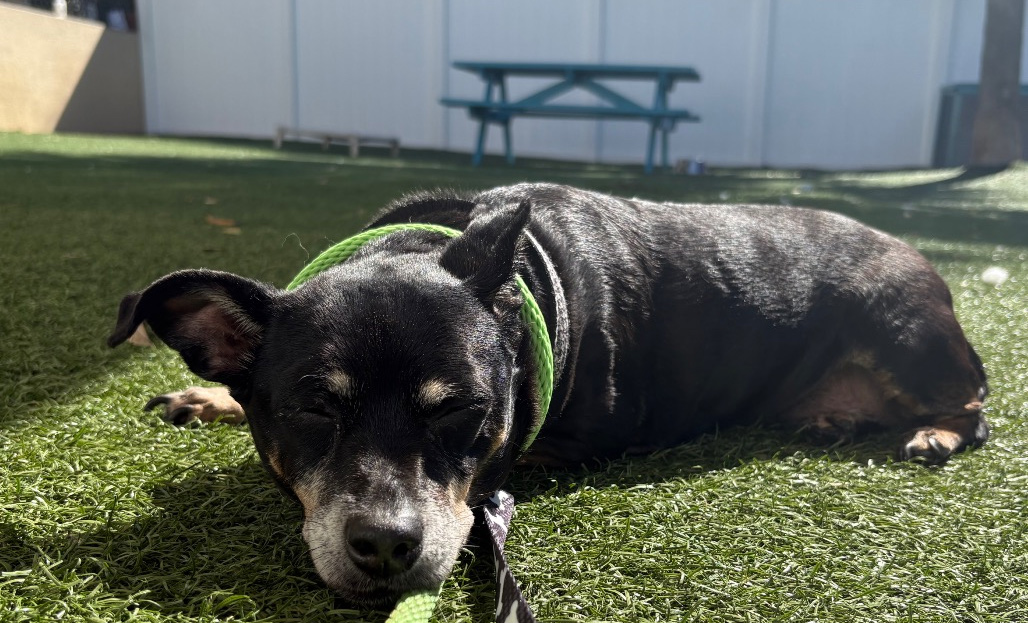
“Compassionate care” is one of those phrases you hear a lot in animal welfare. But what does it actually mean?
While its root lies in its name “compassion,” compassionate care isn’t solely an emotional response. It’s a responsibility. It’s a process. It’s hard work, intentional actions and responsible decisions, made by trained professionals, every single day, for every single animal that we compassionately care for.
What the Experts Say
The animal welfare field has evolved dramatically over the past decade. The Association of Shelter Veterinarians published their updated Guidelines for Standards of Care in Animal Shelters in 2022. It was developed by 19 veterinarians and industry leaders with extensive hands-on experience in sheltering. These guidelines represent the current gold standard for how shelters should operate, and is the foundation for our work and processes.
One of the most significant changes in the 2022 guidelines was a shift from the traditional “Five Freedoms” framework (freedom from hunger, thirst, discomfort, pain, fear) to something called the Five Domains model. The Five Freedoms focused primarily on avoiding negative experiences. The Five Domains model goes further: it emphasizes creating opportunities for positive experiences across nutrition, environment, health, behavioral interactions, and mental state.
In other words, compassionate care isn’t just about making sure animals aren’t suffering. It’s about actively working to help them thrive. For animals in our care, living isn’t just being alive. It’s about quality of life… and the care we’re able to provide to ensure it’s a life worth living.
Our Responsibility
Assessment actually begins before an animal enters our shelter.
We have a responsibility to care for animals, and we also have a responsibility to our community. When visitors come to us and we help them make a match, there is an implicit trust that any pet adopted from PBHSN is able to thrive in their new home. That’s why we use industry best practices to evaluate whether we can reasonably help an animal find their perfect match and forever family before they even enter our program.
This isn’t about turning animals away. It’s about being honest with ourselves about who we can help, and making sure every animal we accept has a real path forward. Conversely, it’s not about filling our shelter with only pets who “show well” in a kennel. No, in fact, we take great pride in helping some of our most vulnerable find their perfect matches as well. But we do that while also remembering our responsibility of safety to our staff, volunteers, and the adopting public.
Once They’re in Our Care
Once an animal joins our program at PBHSN, their care plan takes shape immediately through individualized assessment. We use behavior pathway resources developed by the ASPCA, the largest animal welfare organization in the country, which has spent years refining tools for shelters to evaluate each animal’s unique needs.
Here’s what that looks like in practice: we’re gathering information from the moment an animal walks through our doors. What do we know about their history? How are they responding to the shelter environment? What does their body language tell us? What is their medical condition? What are their individual needs? Our staff members are trained to observe, document and communicate.
The ASPCA’s pathway planning framework helps us answer a critical question for every animal: What is the most likely positive outcome for this individual, and what do they need to get there? Some animals are ready for adoption immediately. That’s great! Straight to the adoption floor for you, let’s get you home! Others need medical care, behavioral support, time in a foster home, time to decompress, or after time they might be better served by transferring to a partner shelter where new potential adopters can meet them. The point is that every animal has an individualized plan, specifically tailored to them and their best chance at finding a family.
Daily Rounds and the Pathway Team
One of the most important processes we’ve implemented is what the industry calls Population Rounds. We have now created a Pathway Team comprised of members of shelter leadership, veterinary care team members, administrative staff, and other team members who help pets find their forever homes. They regularly review all of the animals in our care and ask questions…
Where are they in their journey? What do they need today? Are they on track toward their pathway, or do we need to adjust? How is this dog doing emotionally? Is this cat eating? Are they in the right kennel? Has anything changed over time? Should we do a special post on social media to help them get noticed? Do we need to change something to help them?
And most importantly…
What can we do to help them find their way home? Are we acting with urgency? Are we being deliberate and intentional?
Why Urgency Matters
It may seem counterintuitive to some, but urgency is compassionate care.
Research consistently shows that extended shelter stays take a toll on animals. The stress of the shelter environment is cumulative. Dogs may become more anxious, more reactive. Cats may withdraw. Research from the University of Wisconsin School of Veterinary Medicine and studies published in peer-reviewed veterinary behavior journals have documented how length of stay affects both physical and behavioral health.
This doesn’t mean shelters are bad places. In fact, quite the opposite. Our team of staff and volunteers is full of dedicated, loving animal care professionals and people who work incredibly hard to make our facilities as comfortable and enriching as possible. We’ve gone to great lengths lately to create a clean, calm and welcoming environment. But we can’t become complacent. Even the best shelter is, by definition, a temporary stop on the way to a forever home. That’s the whole point. We’re not here to keep animals indefinitely. They’re not our pets. They’re our guests. We’re here to help them find families.
That’s why pathway planning includes a sense of urgency. Not rushed, not careless, NEVER making decisions solely based on time, but intentional and thoughtful. Process based on industry best practices. What can we do today to move this animal closer to their outcome? How can we minimize their time in the shelter while still ensuring they get everything they need?
The Difference Process Makes
The world of animal welfare is a highly emotional place. We love, we help, we give and accept kisses, we care… deeply. But having emotion (love, compassion, joy, sadness, etc.) is different than acting emotionally. Responsible sheltering means we can’t make decisions based on emotion. And so we have a process we call compassionate care. We push ourselves to be proactive, not reactive. We have a responsibility to the animals in our care to lead with our hearts, but also with our heads. And we do that by establishing a consistent structure.
That’s why we’re deliberate to be thoughtful in our compassion. “When everyone else says no” isn’t a badge of honor for a community animal shelter. Taking on animals that no one else will accept sounds heroic… until you realize it often means trading collective expertise and proven process for the belief that you know better than everyone else. We have to be responsible.
Ultimately, the processes we’ve now put in place draw on decades of research and best practices from leading organizations in animal welfare. The ASPCA’s behavior pathway resources. The ASV’s 2022 Guidelines for Standards of Care. Guidance from Maddie’s Fund, the nation’s leading supporter of shelter medicine education. Consultation with board-certified veterinary behaviorists. These aren’t just credentials we list on a website. They’re the foundation of how we make decisions every single day.
Why We Do What We Do
So, to go back to the initial question… what ‘compassionate care’ mean? As you can see, it means a lot of things and we’ve only really scratched the surface here. Ultimately it’s not about love, and to be clear we love them deeply. It’s about the work that goes WITH the love.
Compassionate care means every animal is seen as an individual. It means trained professionals are monitoring their physical and emotional health. It means we’re having structured conversations about pathways and timelines. It means we’re consulting experts when we need additional guidance. It means acting with urgency because we know that every day matters. It means we’re not waiting for a miracle, it means we’re always, always focused on the goal: getting each animal into a loving home as quickly and responsibly as possible.
Anyone can say they love animals. We do too. But love without action is just a feeling. Love with process, with expertise, with urgency, with responsibility… that’s compassionate care.
That’s what we do at PBHSN. Every single day.