
Patty Baker Humane Society Naples Blog
Failure Is How We Learn to Do Better (Guest Blog)

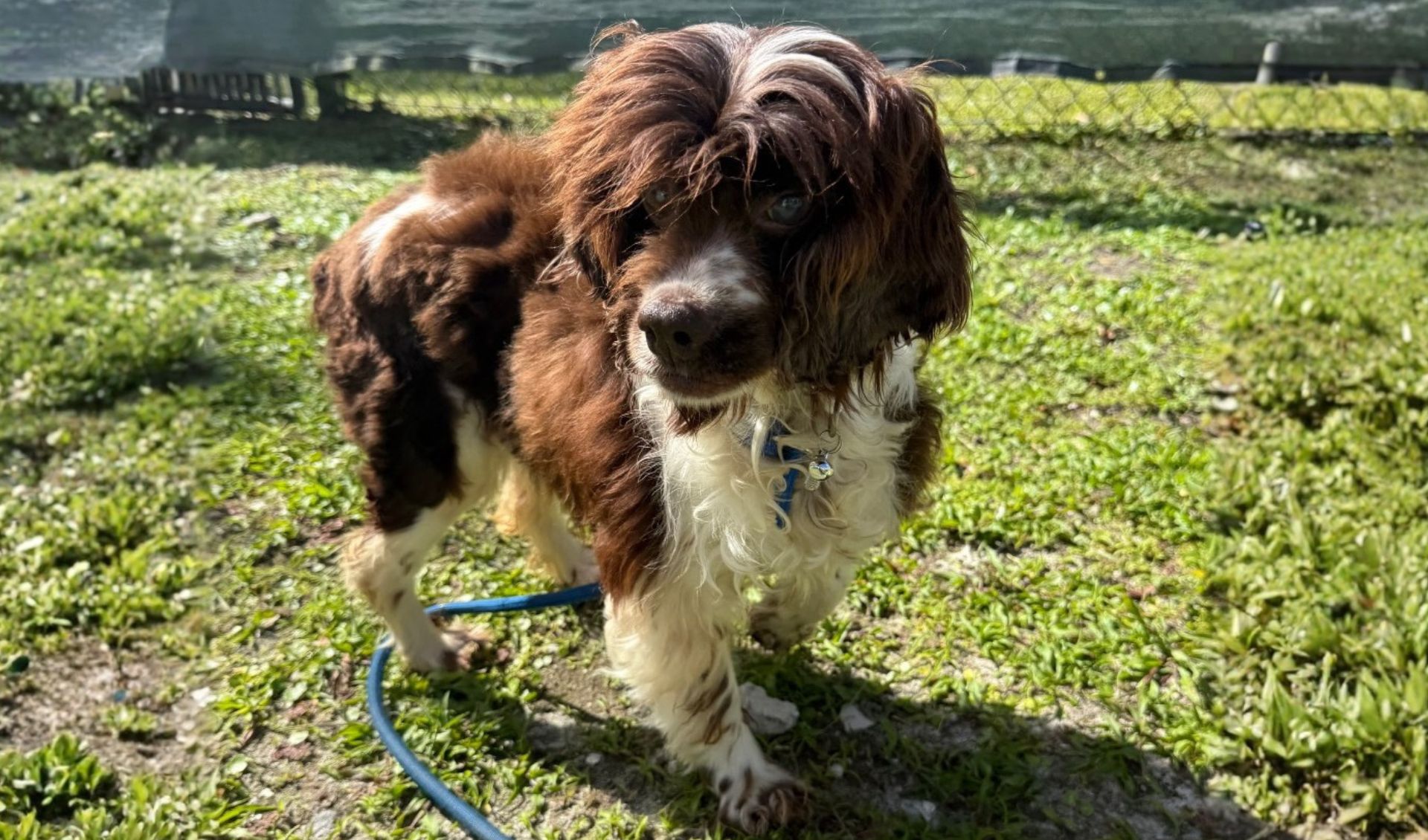
–Guest post by Kim Alboum, Bissell Pet Foundation
Failure is learning how to do things better. Let that sink in for a moment.
How many times can you look back and point to a failure that directly led to a later success?
In my 17 years in animal welfare, I have failed a lot, and those failures shaped the advocate and leader I am today.
For example, in every cruelty case I work now, every person over the age of 18 in the household must sign the surrender form, or I do not consider it valid. That policy was born out of a two-month court battle over more than 100 puppy mill dogs. It was exhausting, and painful, but I learned from it. Since then, I have not had a single surrender legally disputed.
Another lesson came when an ammonia reading was dismissed in court because the individual who took the reading was deemed “not an expert.” From that moment forward, I made sure the fire department was present on site to take readings themselves. That failure ensured stronger cases and better outcomes going forward.
There are countless moments like these… failures that didn’t break me, but instead built the systems, safeguards, and standards I rely on today.
Failure in Animal Welfare Hits Differently
Failure in animal welfare is particularly painful. When we fail, it can cost lives. It can create or prolong suffering. That weight sits heavily on our shoulders every single day.
And yet, instead of supporting one another through these moments, we too often attack others in our field for their perceived failures. This compounds compassion fatigue and anxiety, burning out the very staff and volunteers we need to continue this work.
Sometimes, we don’t even agree on what a “failure” is.
Is ending mental or physical suffering of an animal through humane euthanasia a failure?
Is protecting the community from a dangerous animal through humane euthanasia a failure?
We’re talking about an animal in pain who is suffering. Or an animal who poses real danger to people.
No. It is not. And we must stop allowing it to be treated as such.
The Cost to the Next Generation
The next generation of shelter leaders is already among us. Chances are, they entered this field during an unprecedented crisis, and many are being shaped by chaos rather than mentorship.
Some are taught that overcrowded shelters, frantic animals, and dogs that staff fear are ‘normal.’
Some are taught that leaving dogs on the street is kinder than bringing them into a shelter.
Others are taught that overcrowding is dangerous, staff deserve safe workplaces, and dogs should never be abandoned to fend for themselves.
And no matter which philosophy they follow, they are all told they are failing.
We are not inspiring the next generation. We are traumatizing and exhausting them before they’ve had a chance to learn.
When they should be innovating, they are reeling from impossible decisions that either prolong suffering or end it. When they should be developing solutions to a broken sheltering system, they are instead dodging online attacks and coordinating with law enforcement over death threats.
That is not professional development. That is survival.
Let’s Be Honest About What Failure Is
If we’re going to talk about failure, we should be clear about what it actually looks like.
Failure is allowing mental or physical suffering to continue when we have the ability to provide humane relief.
Failure is knowingly placing a dangerous dog back into a community.
Failure is leaving pets on the streets to fend for themselves.
Failure is overcrowded shelters without enough staff to provide humane, individualized care.
Failure is mistaking our own discomfort with hard decisions for compassion.
We are failing. The industry has failed. The question now is: How do we learn and move forward?
The Way Forward
We must protect the next generation from the same rhetoric that brought us to this point. That means changing the conversation not just continuing it louder. It means leaning in, together.
Community members. Shelter leadership. Veterinarians. Volunteers. Advocates.
We all have to be on the same team for our community shelters.
Supporting shelter staff is caring for the animals. Supporting shelter pets means understanding what humane care actually requires — not demanding outcomes that sound compassionate but aren’t. When we mistake outrage for advocacy, we become part of the problem we’re trying to solve. But when we strengthen the people doing this work, we improve outcomes for every pet in their care.
Failure can be a teacher, or it can be a weapon. It’s time we choose to learn.
Kim Alboum is the Director of Field Operations at BISSELL Pet Foundation, where she leads shelter support and crisis management initiatives across the United States and Canada. Prior to joining BISSELL Pet Foundation in 2021, she spent over a decade with The Humane Society of the United States, serving as Director of Shelter Outreach and Policy Engagement and as State Director for North Carolina. Kim has worked on hundreds of cruelty cases and shelter interventions throughout her 17-year career in animal welfare.